Bulletin No. 11 (185) 2026
June 08, 2026Russia and Armenia's Election; Putin in Kazakhstan; Hardline on Ukraine; SPIEF and the Economy; United Russia Primaries; Fuel Shortages
OVERVIEW OF KEY TRENDS
IN FOCUS
The Armenian Election and Russia's Gameplan
What is Wrong with Pashinyan?
Moscow's Playbook
Yerevan's Pivot
SIGNIFICANT DEVELOPMENTS
Putin in Kazakhstan
The Balkhash Deal
Frictions Beneath the Surface
Putin and Ukraine: Hardline Persists
SPIEF: Key Economic Statements
United Russia Primaries
Fuel Issues in Russia
Towards a Deficit?
The Changing Military Reality
INDICATORS
Rising Debts and Cuts
The Adaptation Model is Spent
R.Politik RECOMMENDS
Kremlin.ru
Brief presentation
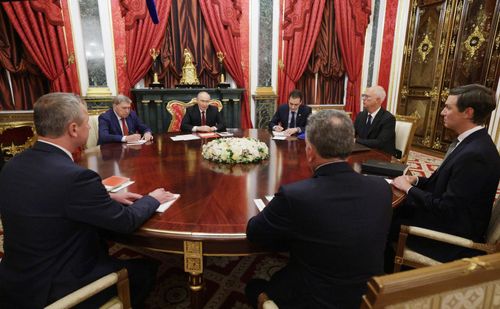
Armenia's parliamentary election on 7 June unfolded against one of the most overt Russian interventions in a post-Soviet vote in years, conducted across energy, trade, diplomacy and the information space at once. Nikol Pashinyan’s Civil Contract achieved a significantly stronger result than many had expected. However, it fell short of securing a sustainable absolute majority, leaving Armenia politically vulnerable and offering Russia further opportunities to exert influence. This issue reconstructs how the Kremlin arrived at its current reading of Armenia, why it acted as it did before the vote, and how that approach has divided Russia's own establishment, with figures close to the authorities warning that familiar mistakes are being repeated. We set out what Moscow now expects, and why the South Caucasus may not settle as both sides claim to want.
SIGNIFICANT DEVELOPMENTS
Putin in Kazakhstan. The state visit and the Balkhash nuclear agreement were presented as a model for the kind of relationship Moscow would like across the post-Soviet space. Beneath the framing of friendship lie tensions both sides have learned to keep out of view; we examine what each wants from the other and what the deal actually commits Russia to.
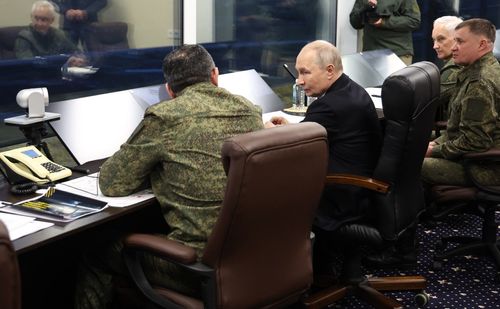
Putin and Ukraine. A widespread assumption holds that battlefield strain, economic difficulty and domestic pressure are pushing Putin towards an exit. We assess why this reading misjudges his thinking, what he believes about the trajectory of the war, and what he is now prepared to do.
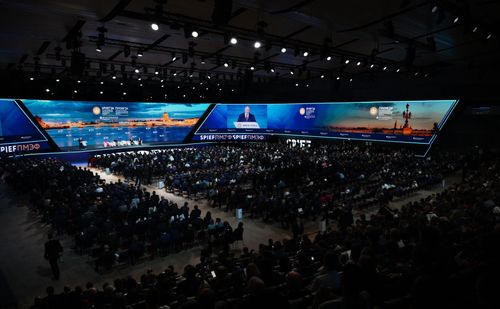
SPIEF and the economy. This year's St Petersburg forum laid bare an unusually wide gap between the financial authorities and the system's principal beneficiaries — the heads of its largest banks and industrial groups. We trace the argument over "overcooling" and what it says about the limits of the current model.
United Russia primaries. Ahead of September's Duma election, the primaries were less a contest than a test of the system. We set out what the exercise signals about the Kremlin's plans for the next parliament.
Fuel shortages. Ukrainian strikes on Russian logistics have caused regional shortages and highlighted a broader shift in the military situation. We examine the gap between official reassurances and the considerably bleaker assessment emerging from within Russia’s pro-war community.
Unlock Full Access
To access this Bulletin, you may either make a one-time purchase or subscribe to the Complete Bulletin Collection for full access.
€180
Only this Bulletin.
Recent Bulletins
Diesel Deal; Budget Prioritises War; Duma And Elite Interests; Krasnov Tightens Judicial Control; FSB Expands Defence Oversight
United Russia Expands Majority; Moscow Targets Western Assets; FSB Faces Elite Resistance; BRICS Reassures Putin; AfD Gains Encourage Moscow